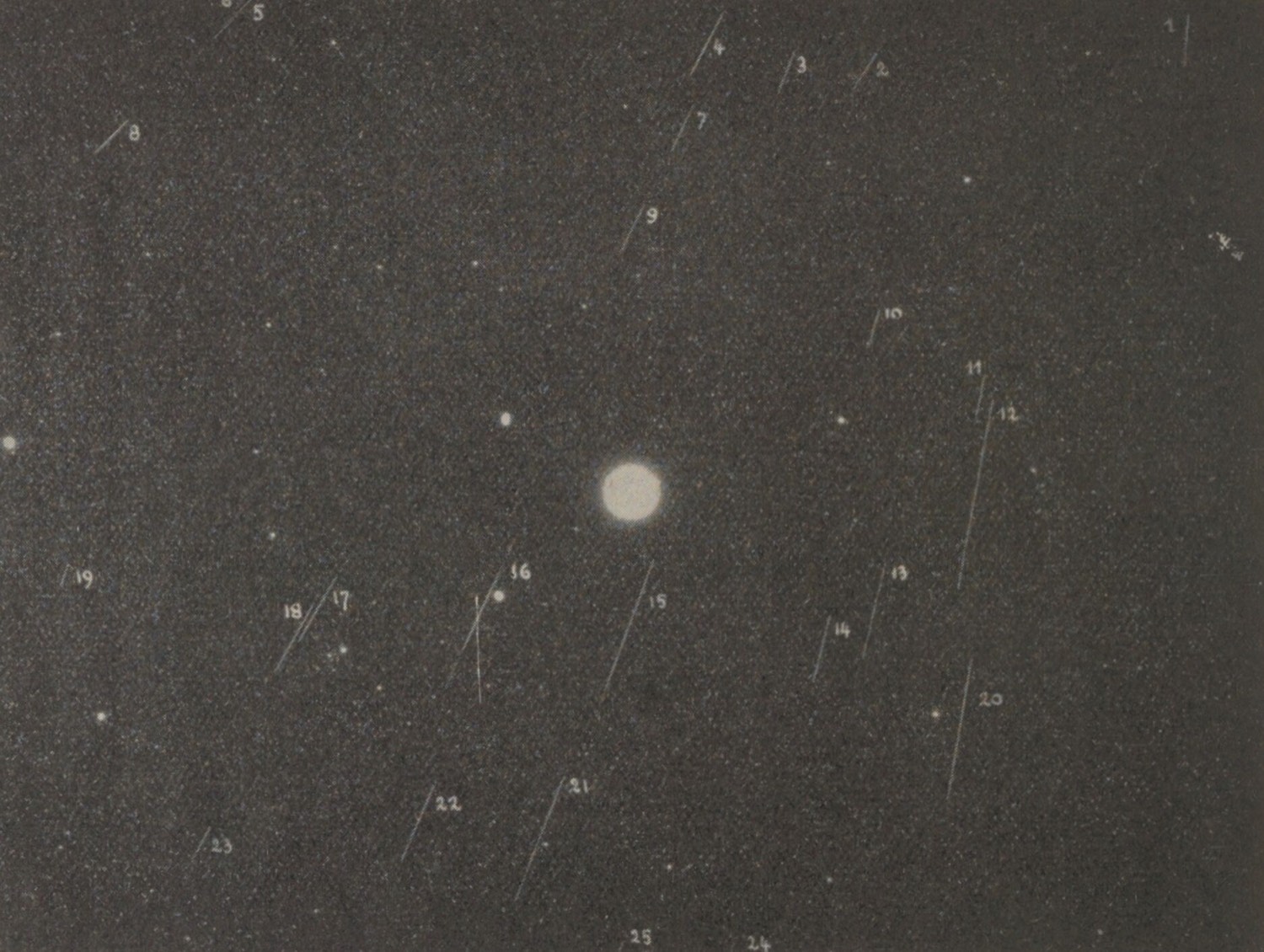
The Draconids Want You Outside at Dinnertime, Not 4 A.M.
Almost every meteor shower rewards people who wake up before dawn. The October Draconids do the opposite, and their history includes two of the most violent meteor storms ever recorded.
Home › Journal
Fifteen field reports covering the next year or so overhead, from slow October meteors to a spacecraft reaching Jupiter's Trojan asteroids. Pick a beat or search for something specific.

Almost every meteor shower rewards people who wake up before dawn. The October Draconids do the opposite, and their history includes two of the most violent meteor storms ever recorded.

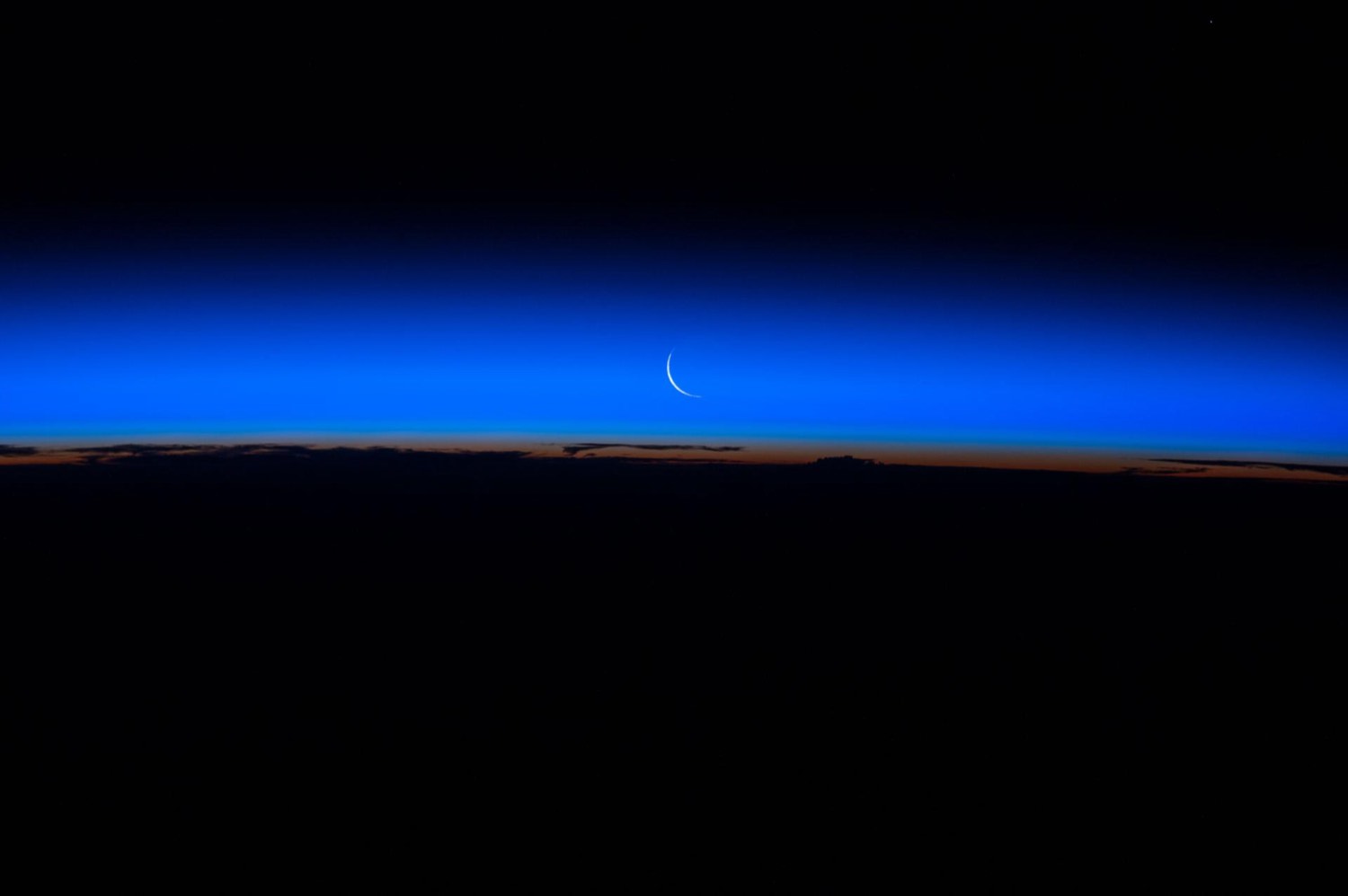
The start of Ramadan and the date of Eid can depend on spotting a sliver of Moon only a day old. We worked out how high and how thin it will be at sunset from Mecca to Jakarta to San Antonio.

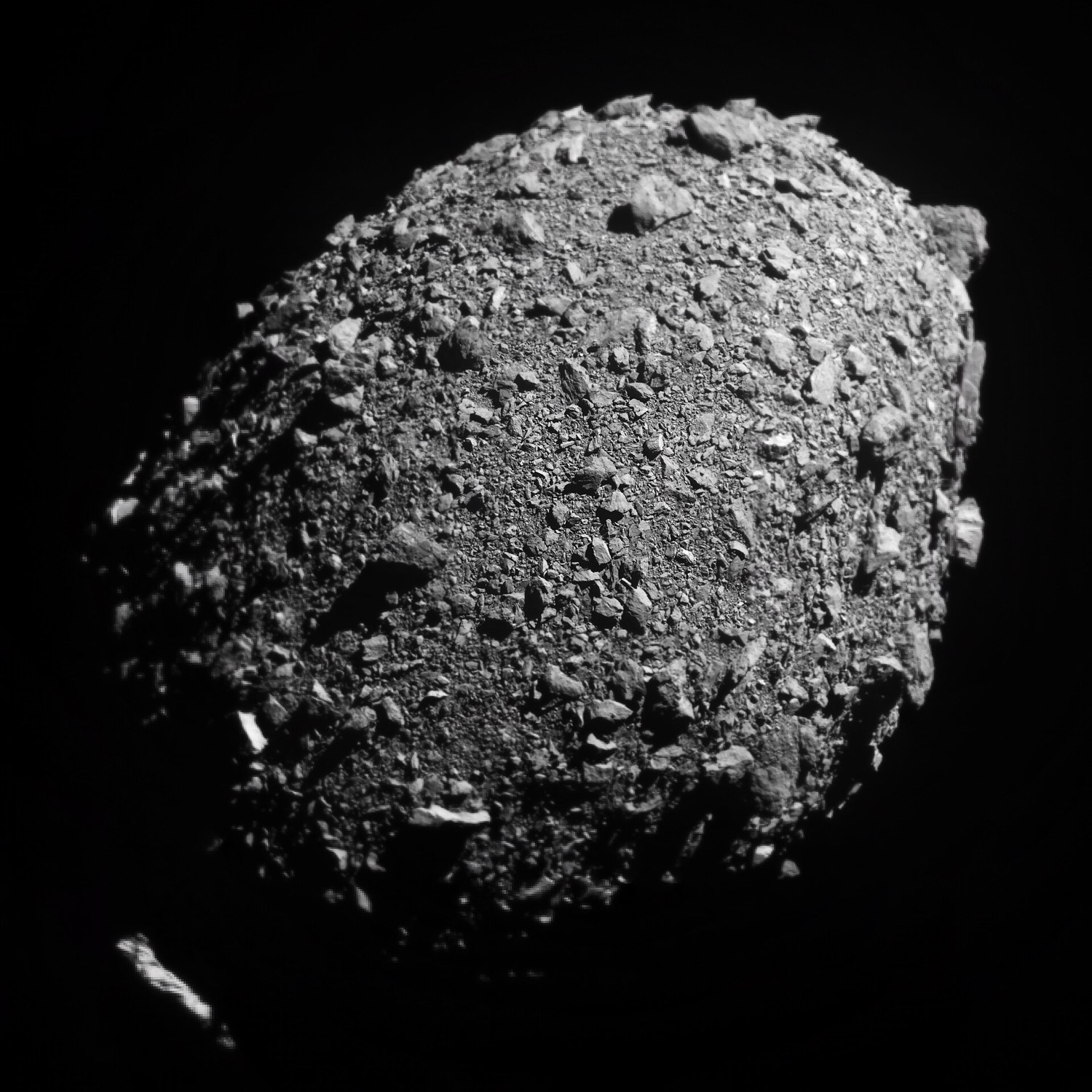
In 2022, NASA's DART spacecraft slammed into a small asteroid moon and changed its orbit. This November, ESA's Hera is scheduled to arrive and measure exactly what that impact did. It's the second half of humanity's first planetary-defense test.

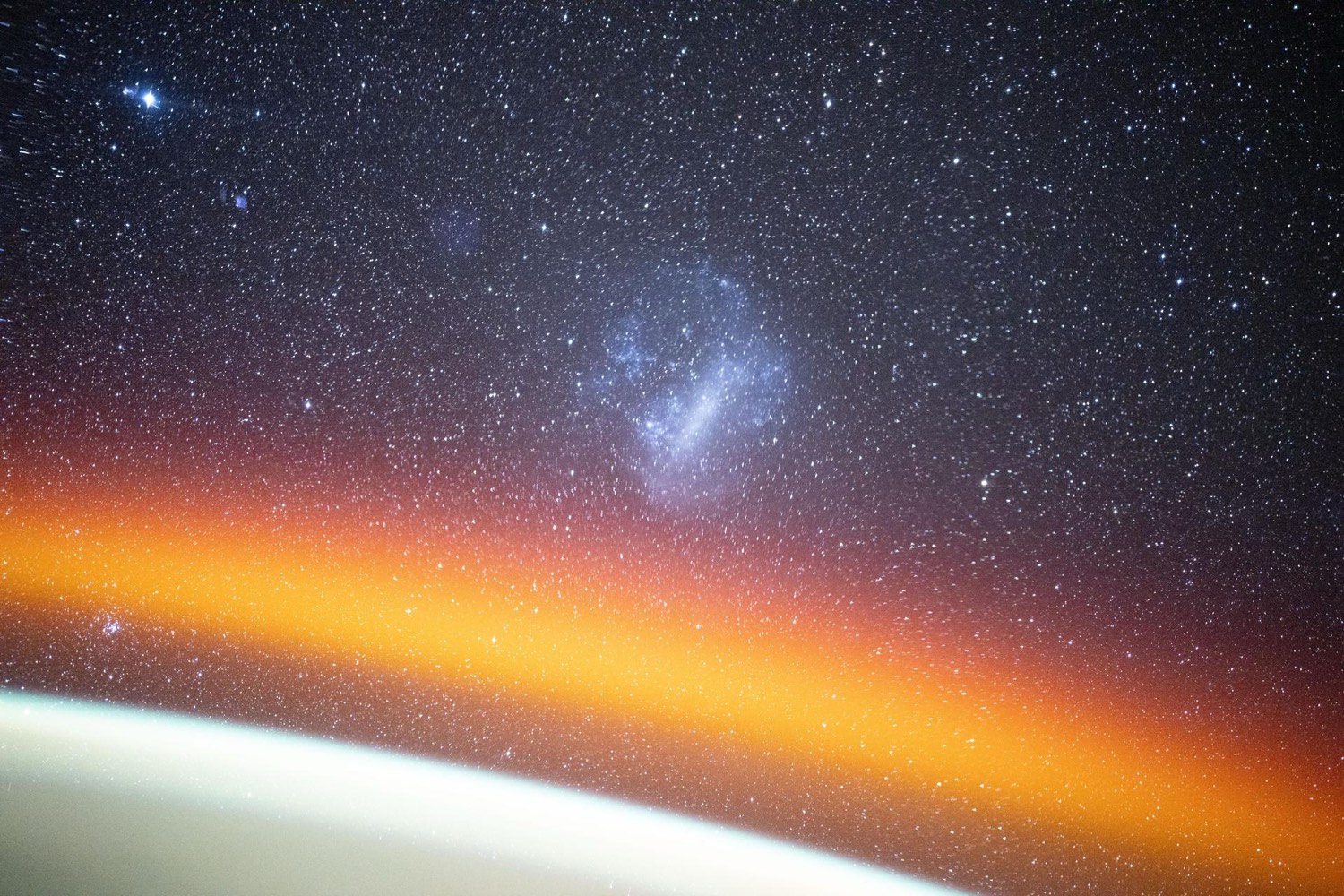
Found in 1819, lost for nearly two centuries, then recognized again as a faint "asteroid" in 2003. Its dust gave sailors near Antarctica a spectacle in 1956. On December 2, the evening sky is dark for it.

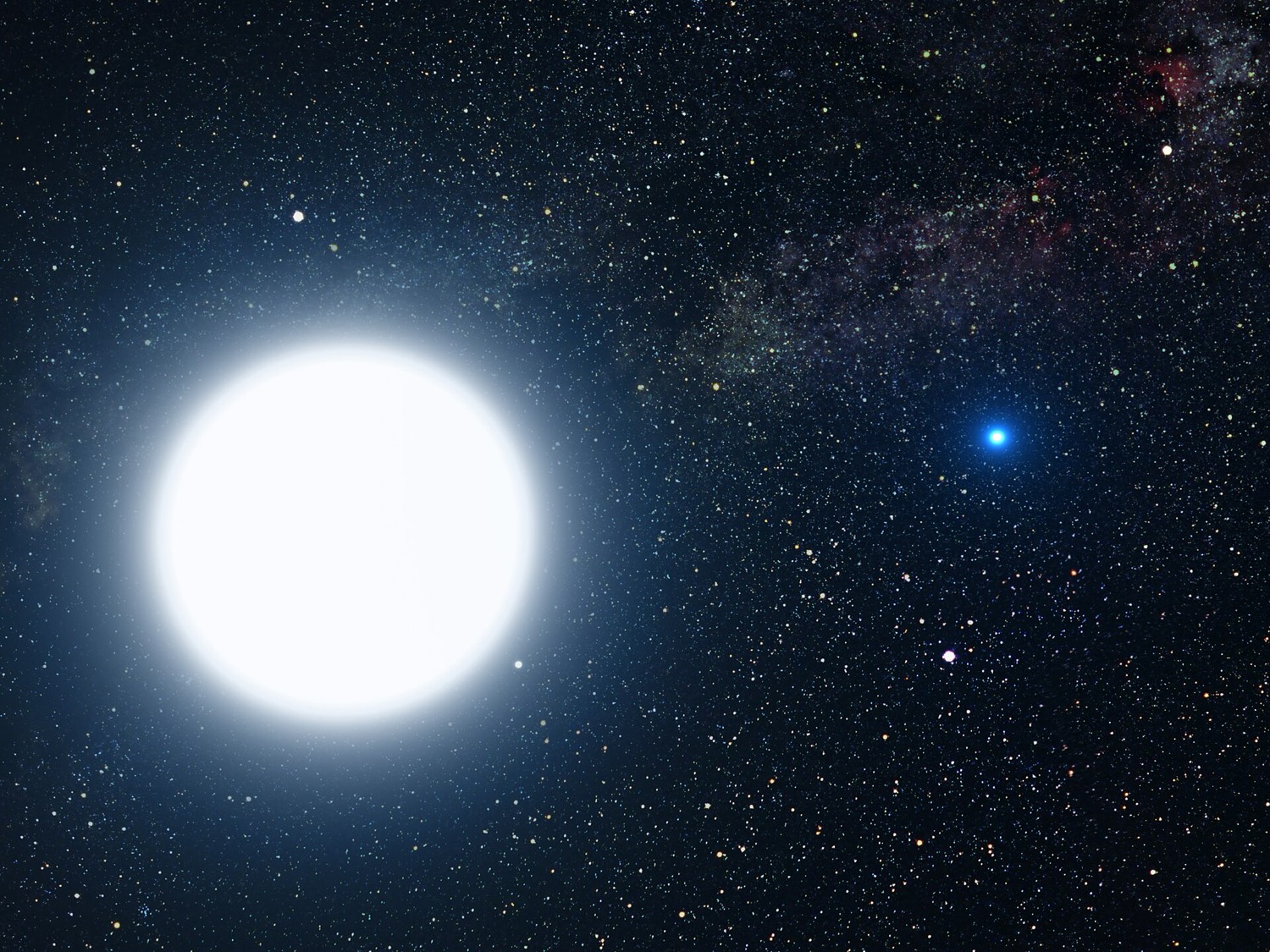
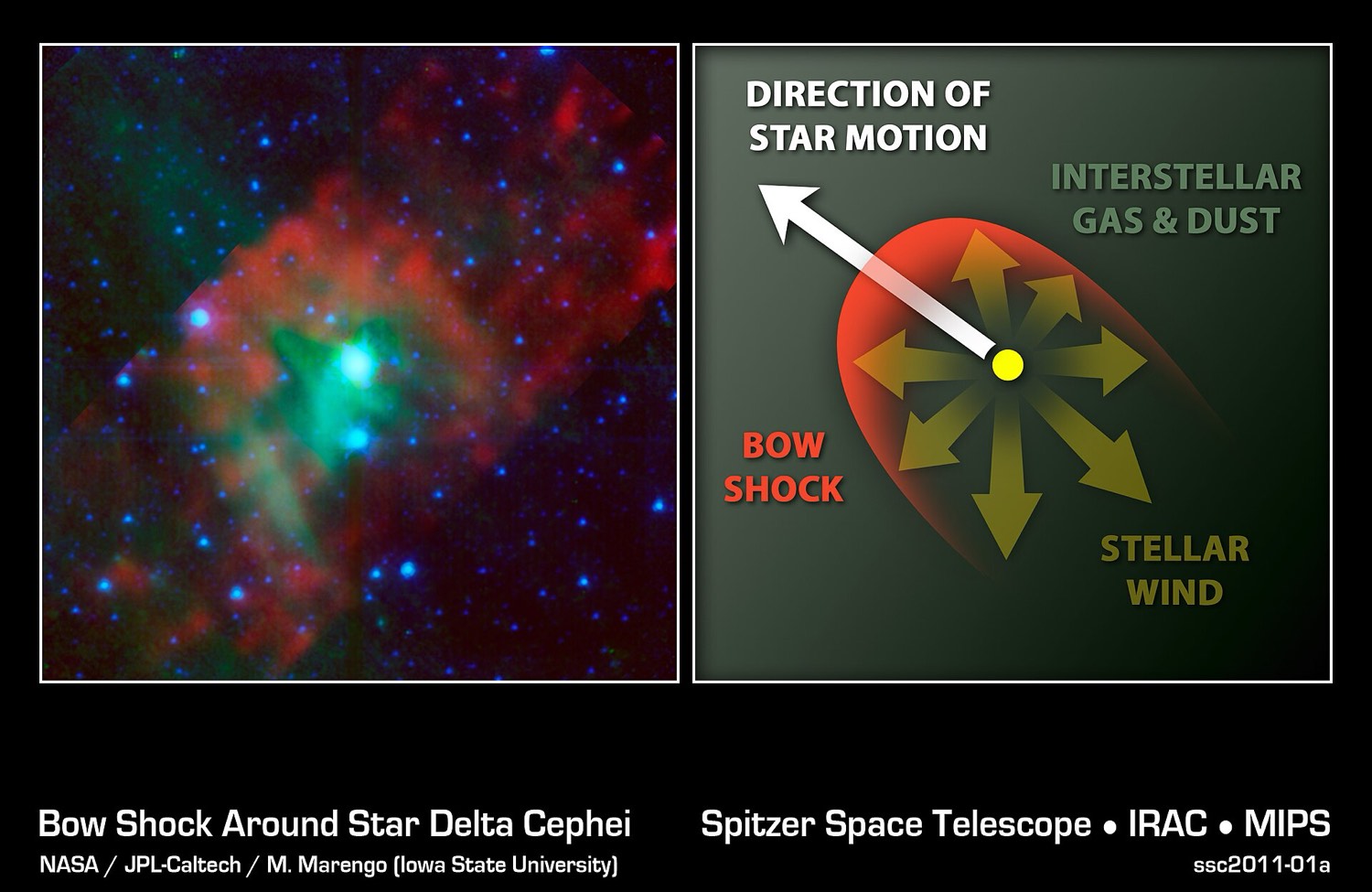
Next to the brightest star in the night sky sits a white dwarf the size of Earth with the mass of the Sun. It was predicted before it was seen, and for the next few winters it sits close to its widest from its dazzling companion.

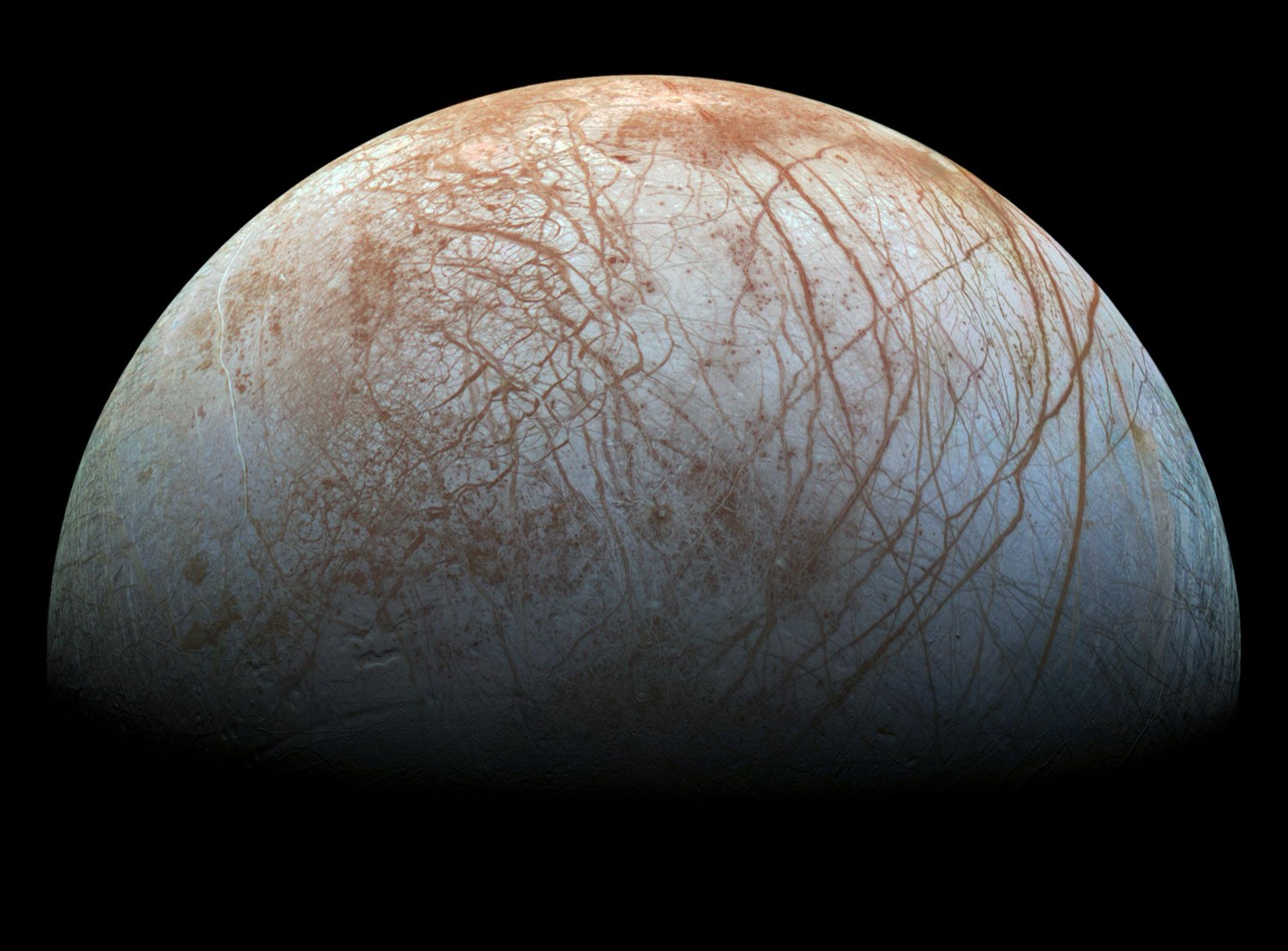
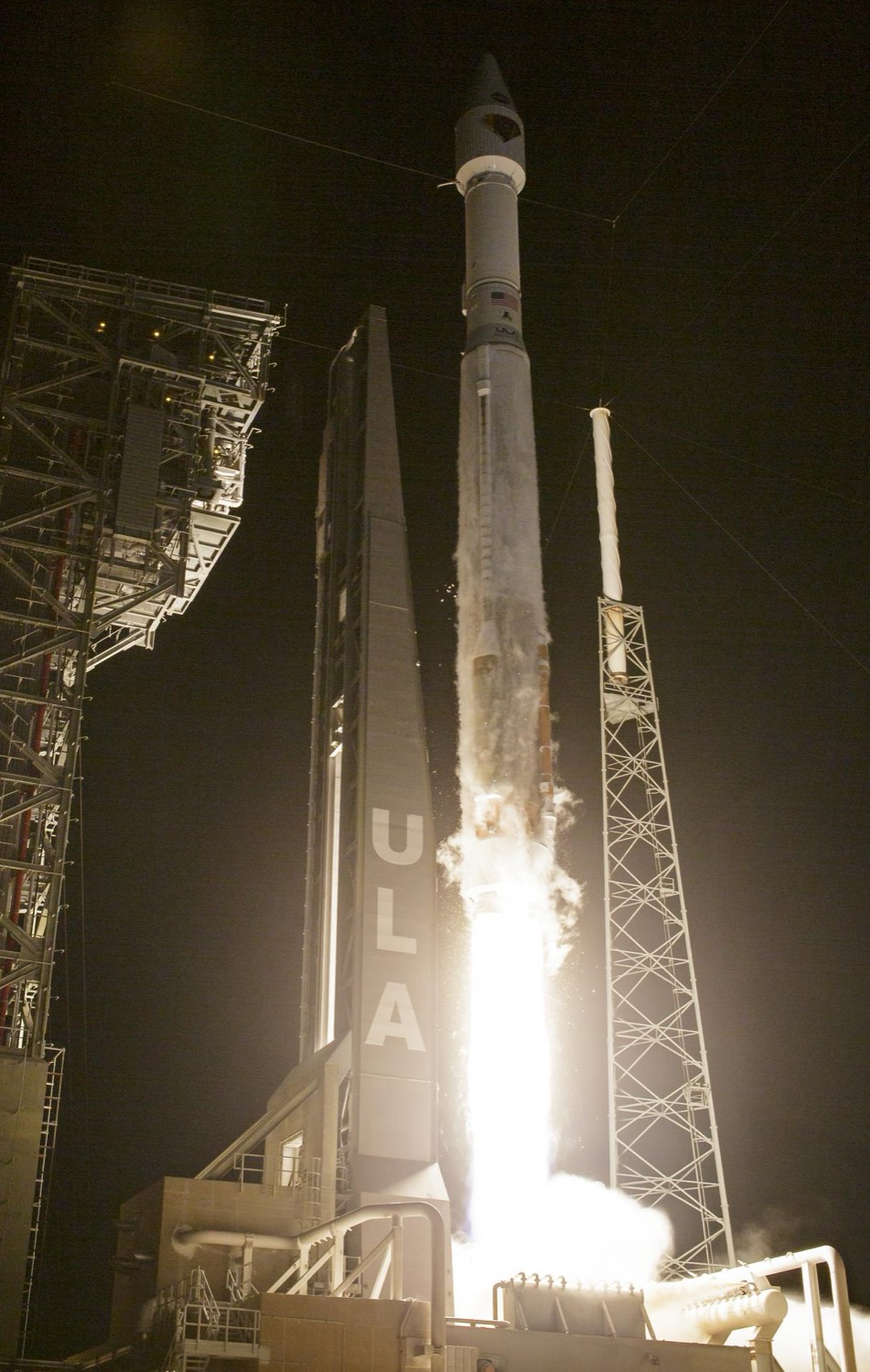
Two years after leaving Florida, the largest planetary spacecraft NASA has built swings past Earth on December 3. The flyby steals a little of our planet's momentum and aims it at an icy moon that probably hides an ocean.

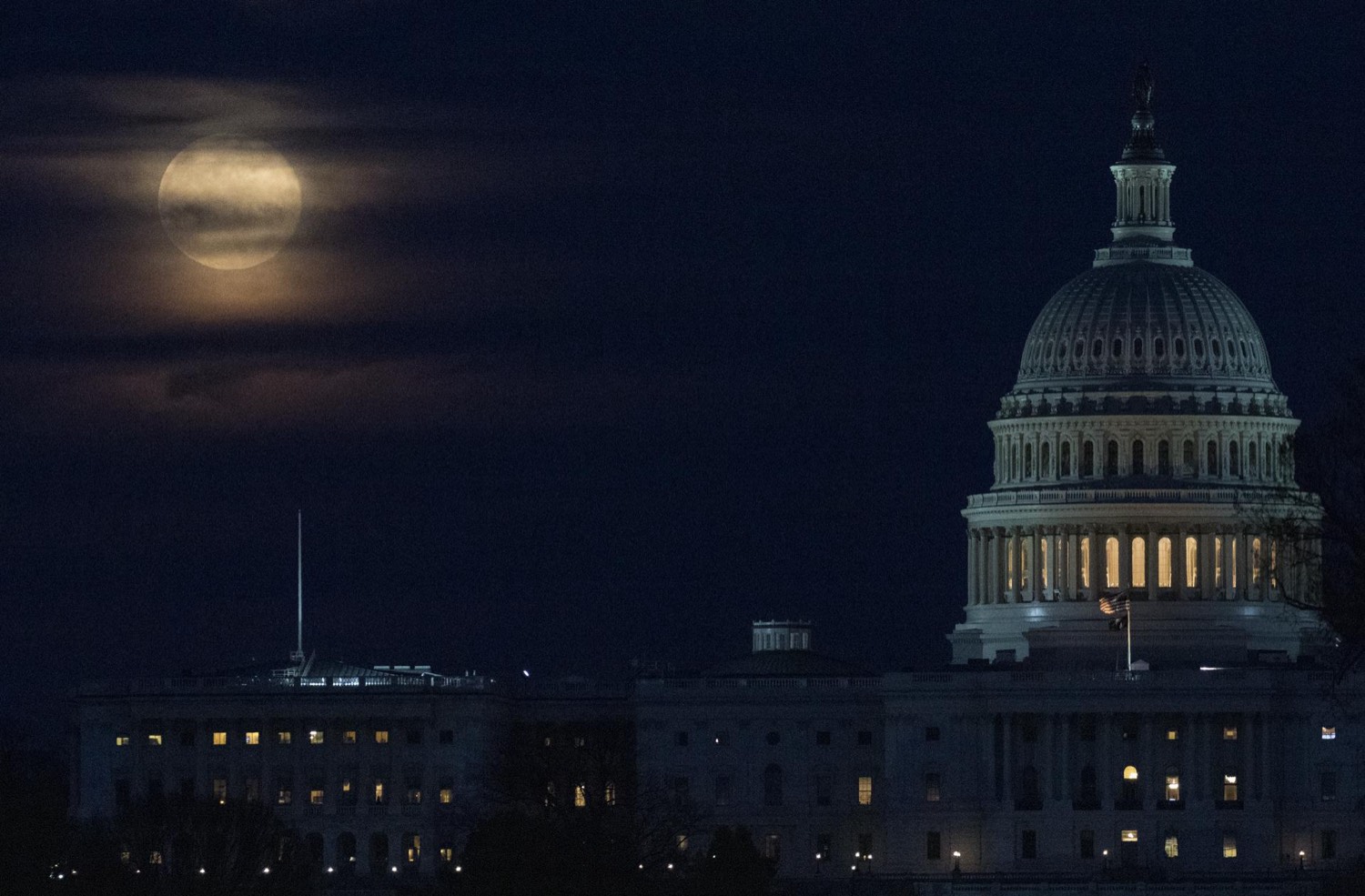
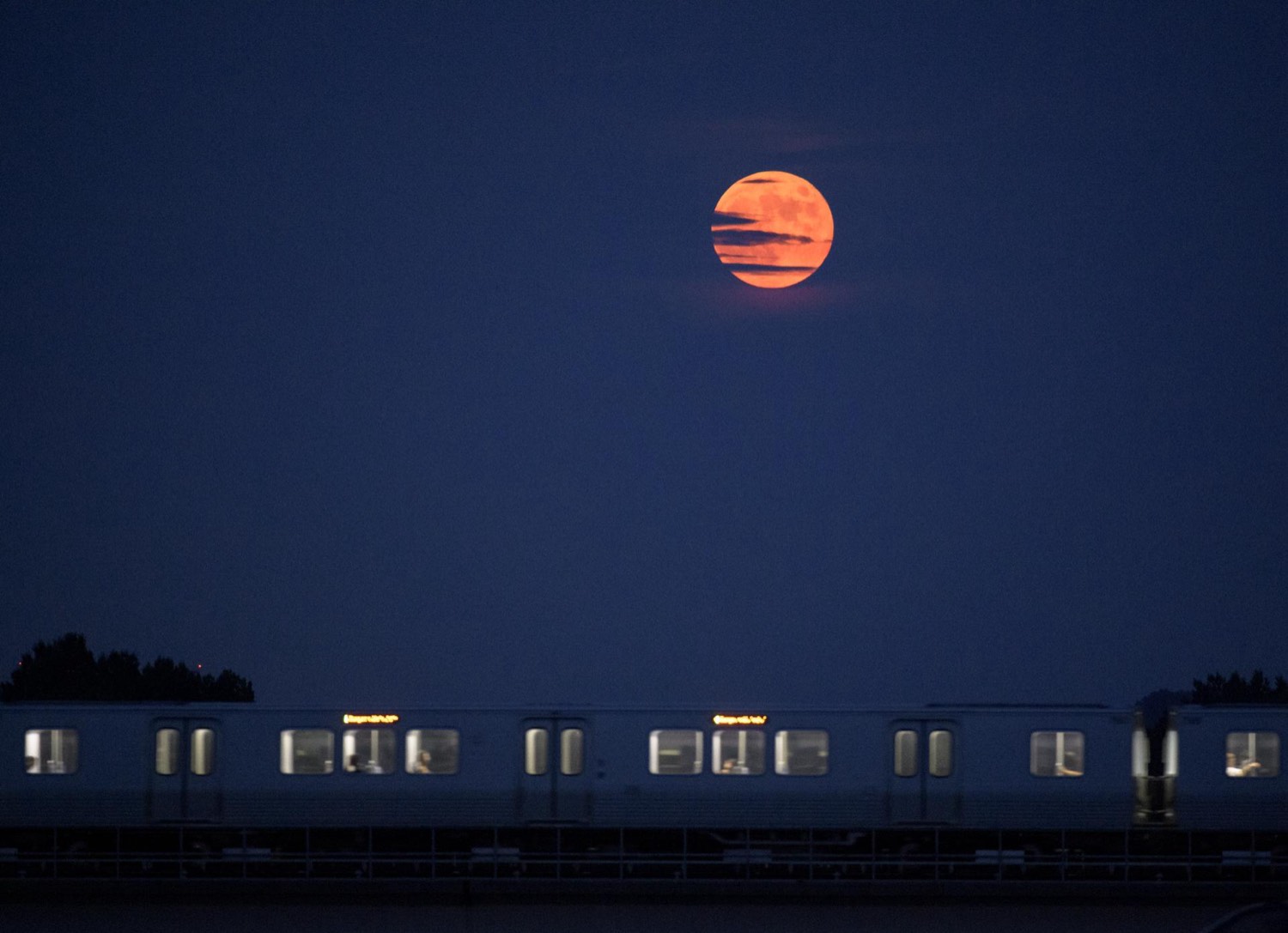
Supermoons get the headlines. Their opposite, the full Moon at its farthest, gets none. Here's a six-month photo project that shows the difference with your own camera.

The Daytime Arietids rival the big night-time showers, but the Sun is in the way. Since 1947 people have detected them with radio instead. You can do it with a car radio, a quiet frequency and a little patience.

Every 27 days or so through 2027, the Moon passes over or right beside Antares, the red heart of Scorpius. We list the closest passes, and explain the trick that sometimes makes the star disappear twice.

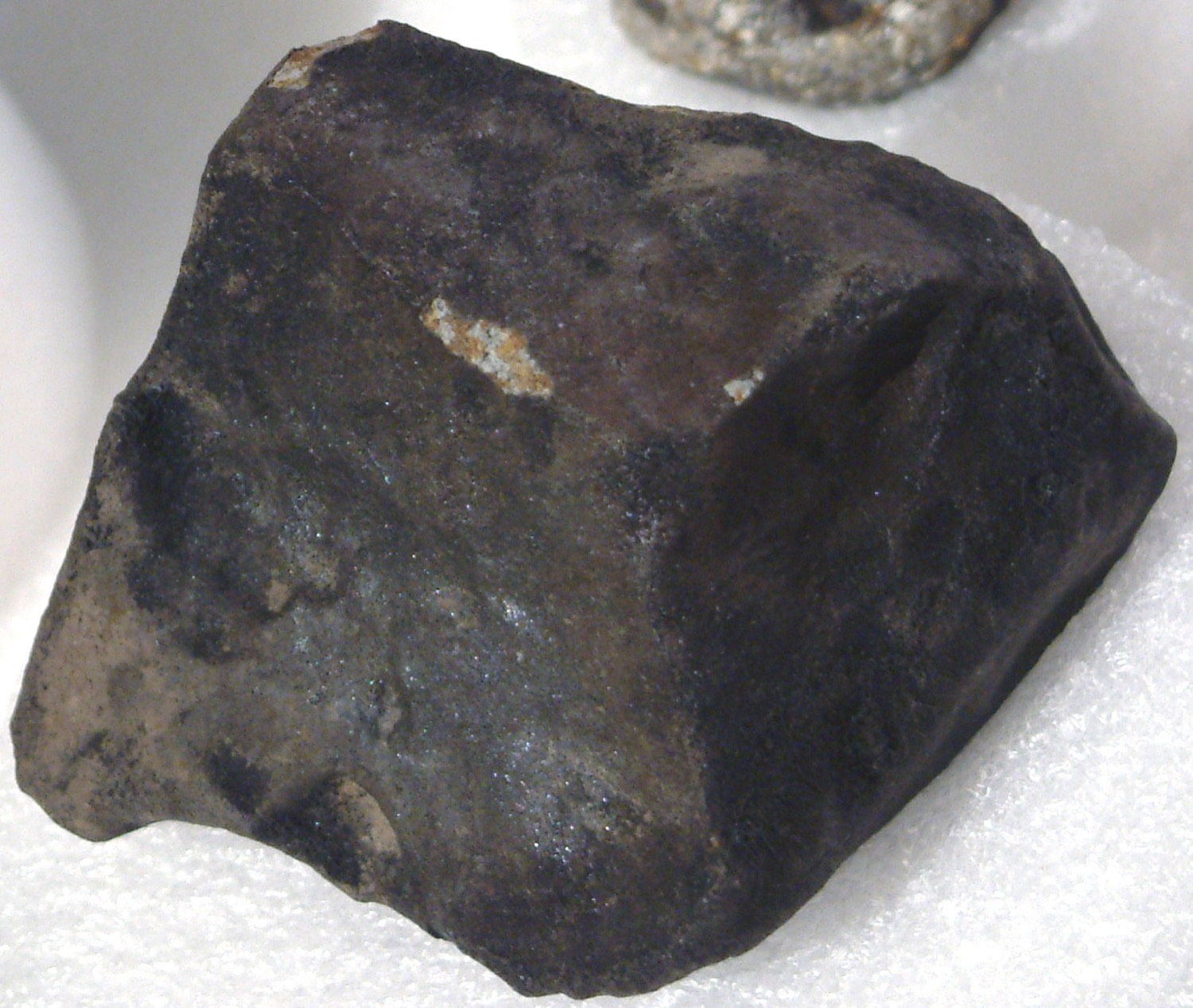
In February 2023 a space rock about the size of a carry-on bag blew apart over the Rio Grande Valley. Weather radar helped hunters find pieces on a ranch within days. Here's how that worked, and how to tell a real meteorite from a parking-lot rock.

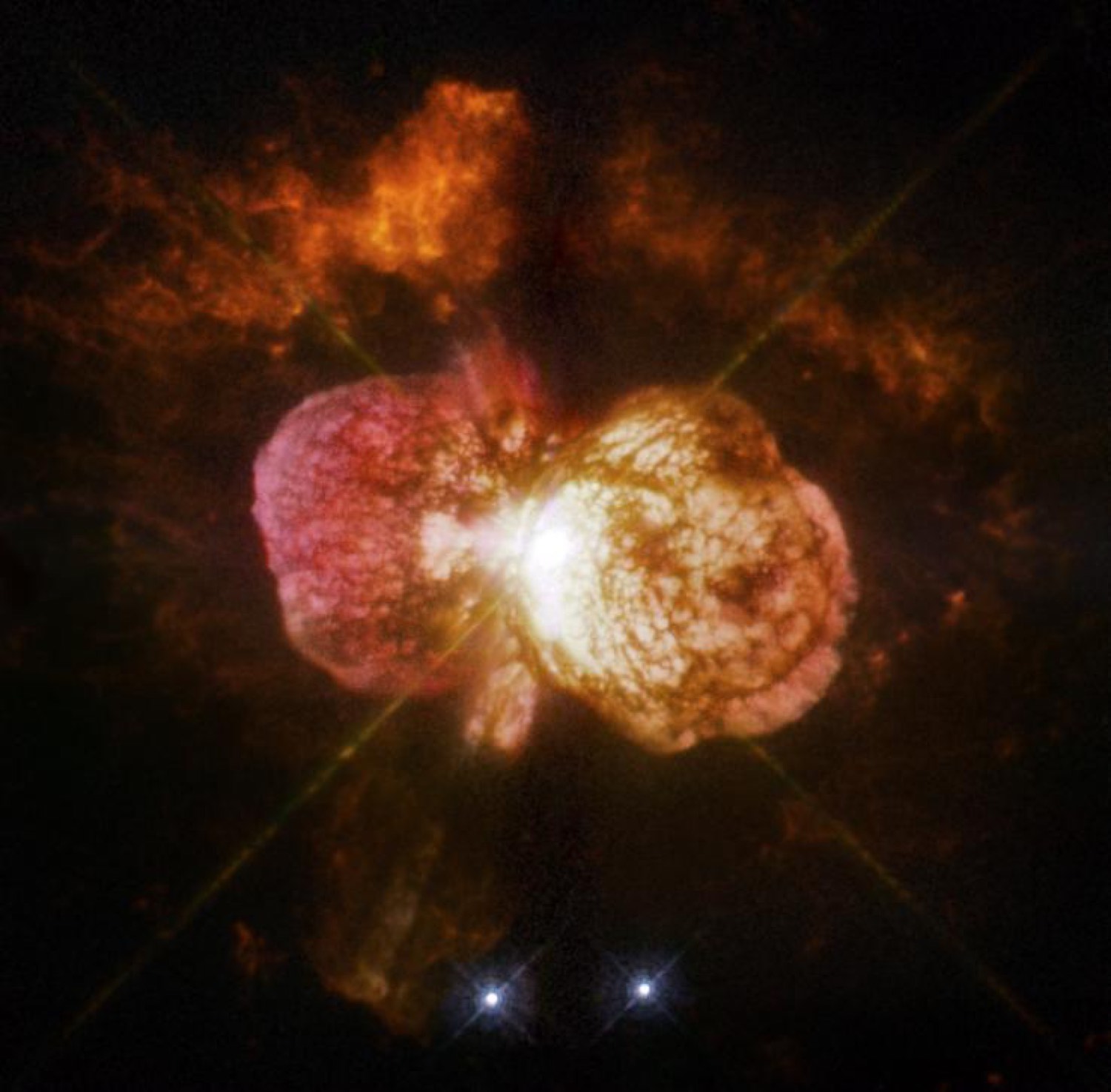
For a few years in the 1840s an obscure southern star became the second brightest in the night sky. It survived, wrapped itself in a glowing hourglass of gas, and is still one of the most extreme stars known. We worked out how high it gets across Texas.

People have argued about the Moon illusion for more than two thousand years. Here are the main explanations, three tests you can do at the curb, and the dates this winter when the full Moon comes up right at sunset.

A modest star near the north pole of the sky gave its name to a whole class of variables, and a Harvard astronomer named Henrietta Swan Leavitt turned their beat into a ruler for the cosmos. You can watch it pulse this autumn.

Jupiter drags two swarms of ancient asteroids around the Sun with it. No spacecraft has ever visited one. Six years after launch, NASA's Lucy is due to fly past the first, along with a moon about a kilometer wide.

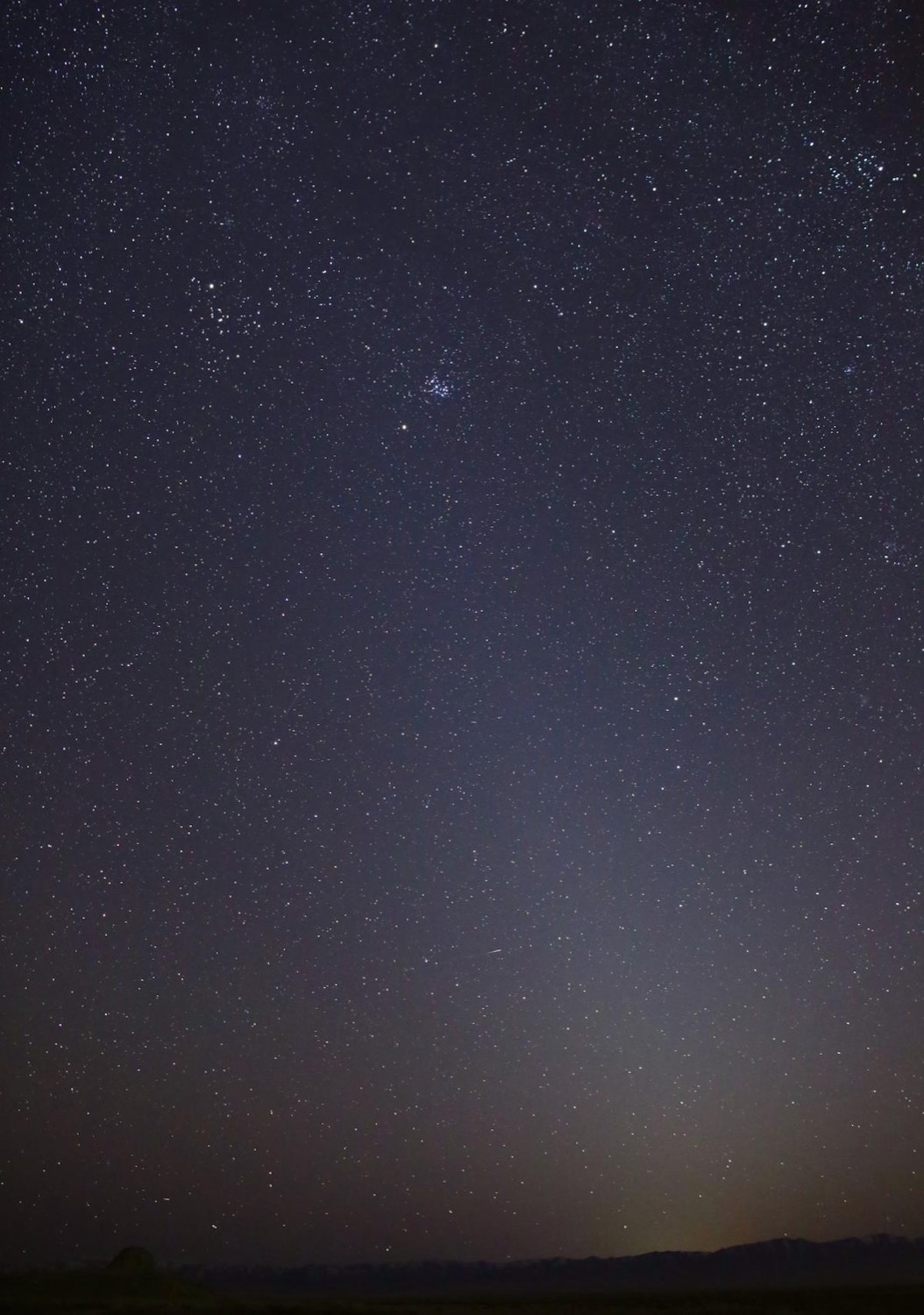
A tilted cone of soft light rises from the horizon before dawn in autumn and after dusk in spring. It's sunlight bouncing off dust spread through the solar system. Here are the moonless windows from Texas this season.
No reports match that. Try a shorter word, like "moon" or "meteor".